

How To Survive The Great Tech Commoditization
And why no one cares about your personal taste

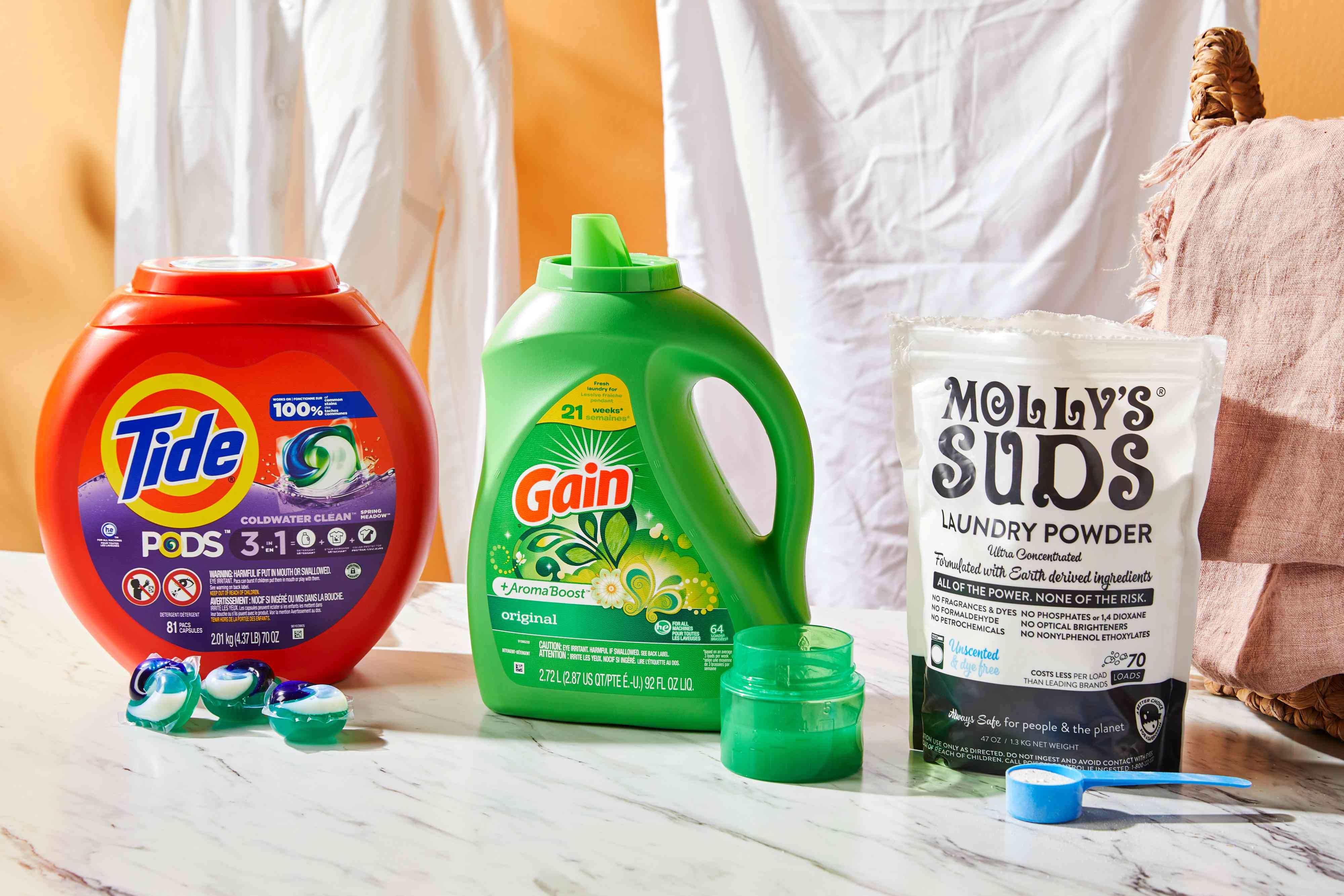
Walk down the detergent aisle at Target and count how many brands promise “deep clean.” Now scroll the front page of Product Hunt and count how many AI companies promise “state-of-the-art performance on every benchmark.” Same energy.
CPG figured this out decades ago. Tide doesn’t win on cleaning power. There are a dozen detergents on that shelf that clean your clothes just fine. So Tide wins on the feeling.
If you’re creating a new category, leading with function might work. But most companies aren’t creating a new category. Most are playing in a crowded market where function just adds to the noise.
If you can't name the feeling, you don't have a brand
“What business are you really in?” is my favorite question to ask prospective clients. Their answers are almost entirely functional. Every time.
Harley Davidson figured out the freedom thing so well that grown adults pay a premium to wear their leather jackets. One feeling, hammered over and over until it became the entire brand.
When I ask teams to name the feeling they want to evoke, most can’t, because they never rally around just one. So the brand ends up being a little confident, a little warm, a little bold—but never all-in on one thing. Which is basically the person at a networking event nobody remembers.
The tl;dr: if you can’t name the feeling, you don’t have a memorable brand.
Build your brand around what you believe, not what you like
So you need a feeling. Most founders reach for their taste to find it, pointing at their favorite brand's website or following their gut sense of what looks cool. I think this is the wrong instinct.
Your POV is how you see the world, what you think the category gets wrong. Your taste is that you like earth tones, or you’re loyal to some serif you found on Pinterest five years ago. Only one of those is ownable, because nobody else has lived your life. Anyone can lift your palette and your type. People come to social media to complain about it all the time. But nobody can steal your perspective in an ownable way. They call it founder-market fit for a reason.
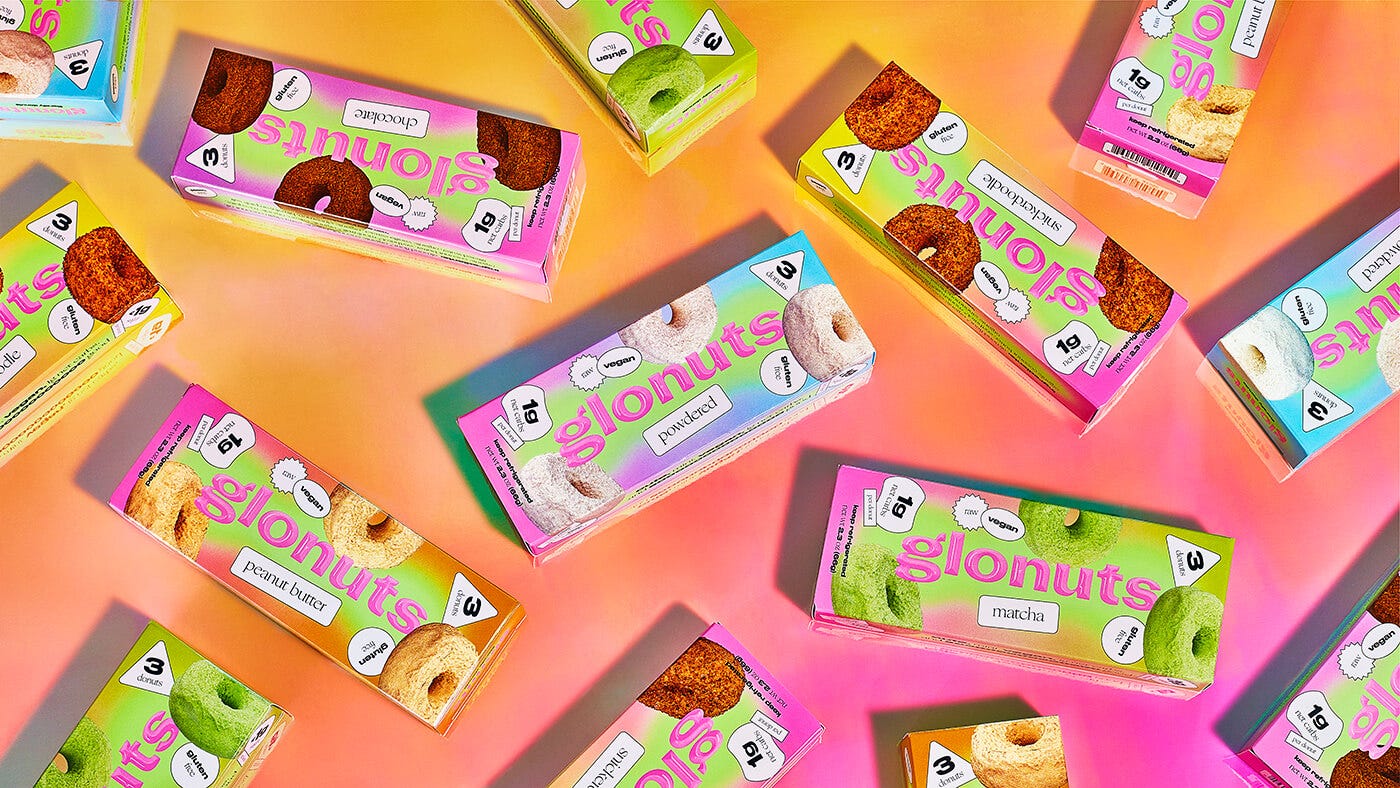
Look at Glonuts. The founder’s style is monotone minimalist while the brand isn’t sleek or serious at all. He believes better-for-you food shouldn’t take itself so seriously, and you feel that in the name, & the colors of the brand. It could’ve been beige and minimal and “premium” if he’d just decorated it with his own taste. Instead it’s playful, because it reflects his philosophy of doing business.
The tl;dr: the best brands are impossible to knock off because they embody what their founders believe.
An ownable feeling the most under-leveraged differentiator
Unless you’re building hardware, defense tech, or sitting on proprietary data, creating an ownable category in the AI era is going to be extremely hard. The functional gaps between competitors are shrinking fast, and for most companies they’ll disappear entirely.
So you have to look to other playbooks. Look at what's worked in CPG, in venture, in any industry where the product alone stopped being enough a long time ago.
The "name the feeling" diagnostic is right but stops one layer short. Most founders can't name the feeling because the cap table doesn't allow them to. Investors fund category language, not emotional specificity. Boards approve "premium" and "modern" because those words don't scare anyone in the room. The brands that own a feeling are usually the ones whose financing structure let them be specific before the deck got sanitized.
Harley Davidson owns freedom because the brand was decades old before institutional capital touched it. Glonuts owns playful because the founder didn't have to defend it to a board. Founder-market fit and capital-market fit are usually in tension, and the feeling is what loses first.
getting inspo from outside of your industry >